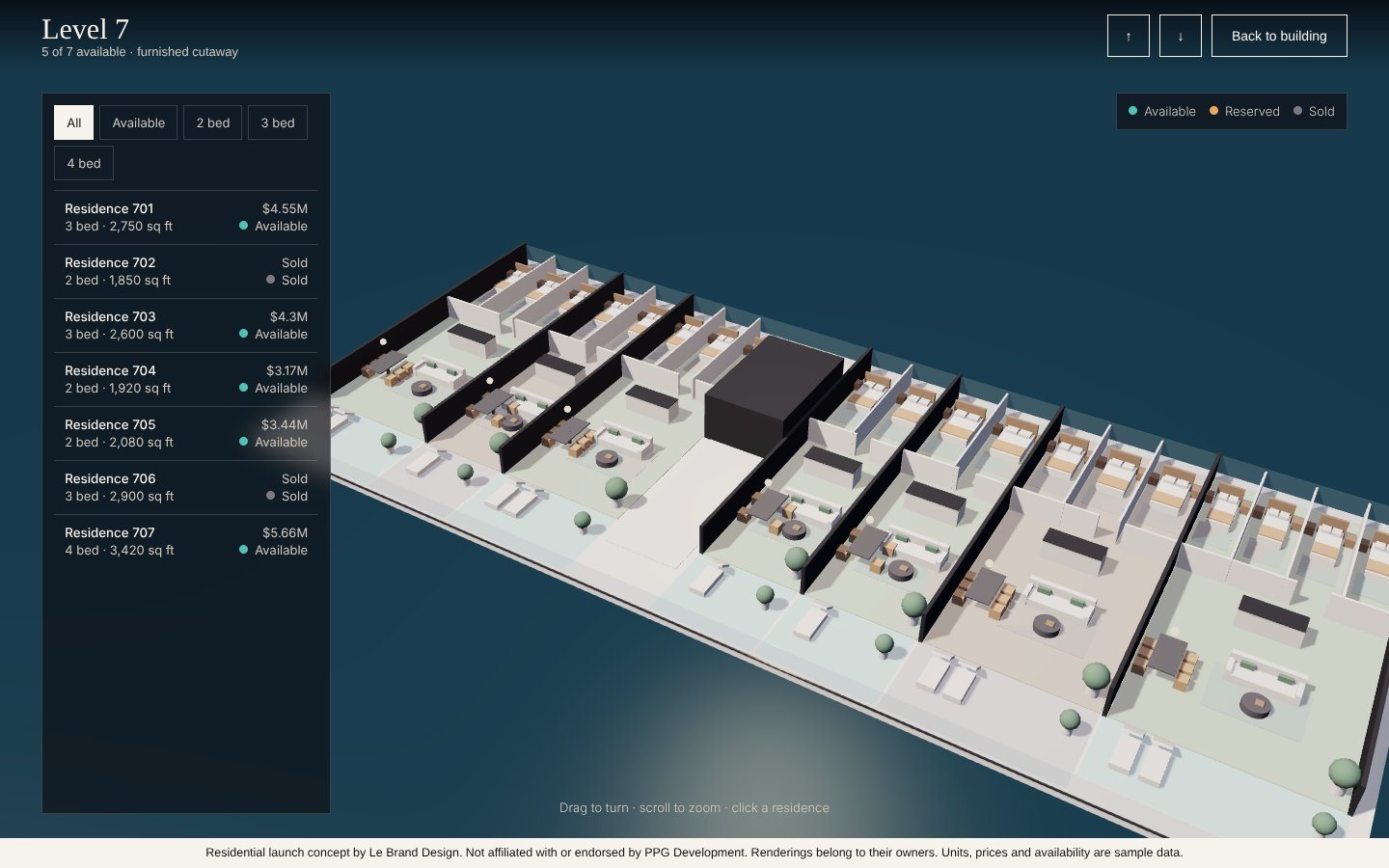
In short: No, a 3D website does not hurt SEO by itself. Rankings drop when the important words live inside the 3D scene or images instead of the page, when the site loads slowly, or when there is one long page instead of one page per topic. Keep the text in HTML, add structured data, make it fast and give each service its own page, and a 3D site can rank and be recommended by AI like any other.
Why 3D sites sometimes disappear from search
Search engines and AI assistants read text. A 3D scene drawn in the browser (WebGL) is pixels: Google cannot read a headline painted onto a 3D model, and ChatGPT cannot quote a price floating in a scene. Most 3D sites that struggle in search make one of these mistakes:
- Text inside the scene. Headlines, services and answers exist only as 3D or images.
- Everything on one page. One impressive page cannot rank for ten different services.
- Slow loading. Huge models and videos delay the first view, especially on phones.
- No structure. No titles, descriptions, headings or structured data for machines to read.
How to build a 3D site that ranks
| Do this | Why it matters |
|---|---|
| Keep every important word as real HTML text over or around the 3D | Google and AI assistants can read, index and quote it. |
| Give each service, product or project its own page | Each page can rank for its own searches. |
| Add structured data (Organization, Service, FAQ, Breadcrumb) | Machines understand who you are and what you offer. |
| Compress models, lazy-load 3D and serve a lighter mobile version | Fast pages rank better and keep visitors. |
| Answer real questions on the page, in plain words | This is what AI assistants quote when buyers ask. |
| Respect reduced-motion settings and keyboard use | Accessible sites reach more people and avoid penalties. |
What about AI search?
AI assistants like ChatGPT, Perplexity and Google AI Overviews build answers from pages they can read. A 3D site with clear, answer-first text and consistent facts about your business is as visible to them as any other site. A 3D site with no text is invisible, however beautiful it is. This is the core of AEO and GEO.
The approach we use
Our own homepage is a cinematic, scroll-driven 3D experience, and every word in it, from the timeline to the final call to action, is real text Google reads. We build client sites the same way: the 3D tells the story, the HTML carries the meaning. See 3D & immersive websites.
Frequently asked questions
Do 3D websites hurt SEO?
Not by themselves. SEO suffers when important text lives only inside the 3D scene or images, when pages load slowly, or when there is one page for everything. With real HTML text, structured data, speed and one page per topic, 3D sites can rank well.
Can Google read WebGL or three.js content?
Google can render pages that use WebGL, but it cannot read words drawn inside a 3D scene. Put headlines, descriptions and answers in regular HTML so they are indexed.
Can ChatGPT recommend a business with a 3D website?
Yes, if the site has clear, readable text about the business, its services and its location, and the same facts appear on other trusted sites. AI assistants quote text, not 3D scenes.
Will a 3D website be slow on mobile?
It should not be. Compressed models, lazy loading and a lighter mobile version keep it fast. Test it on a mid-range phone before launch.